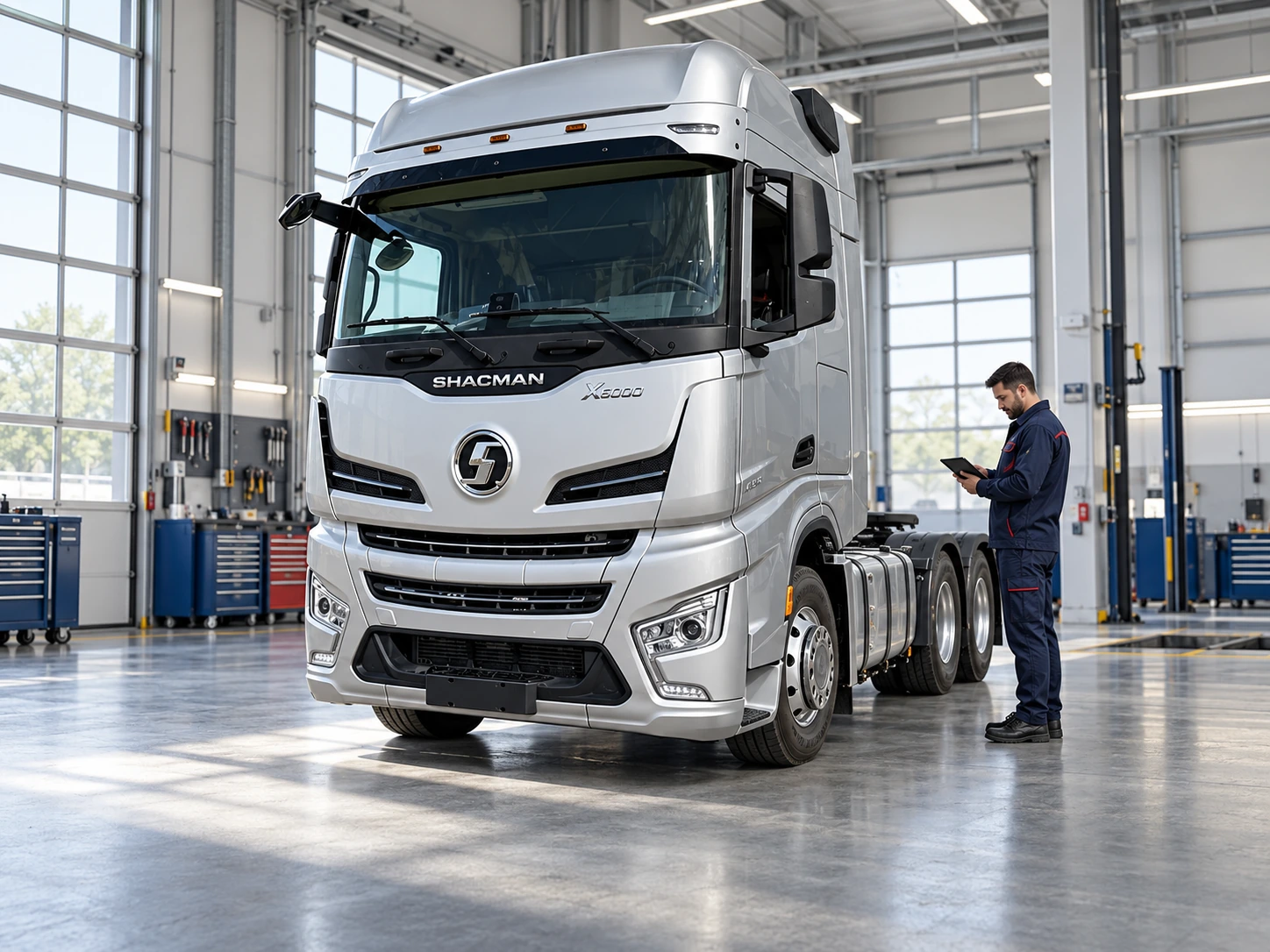
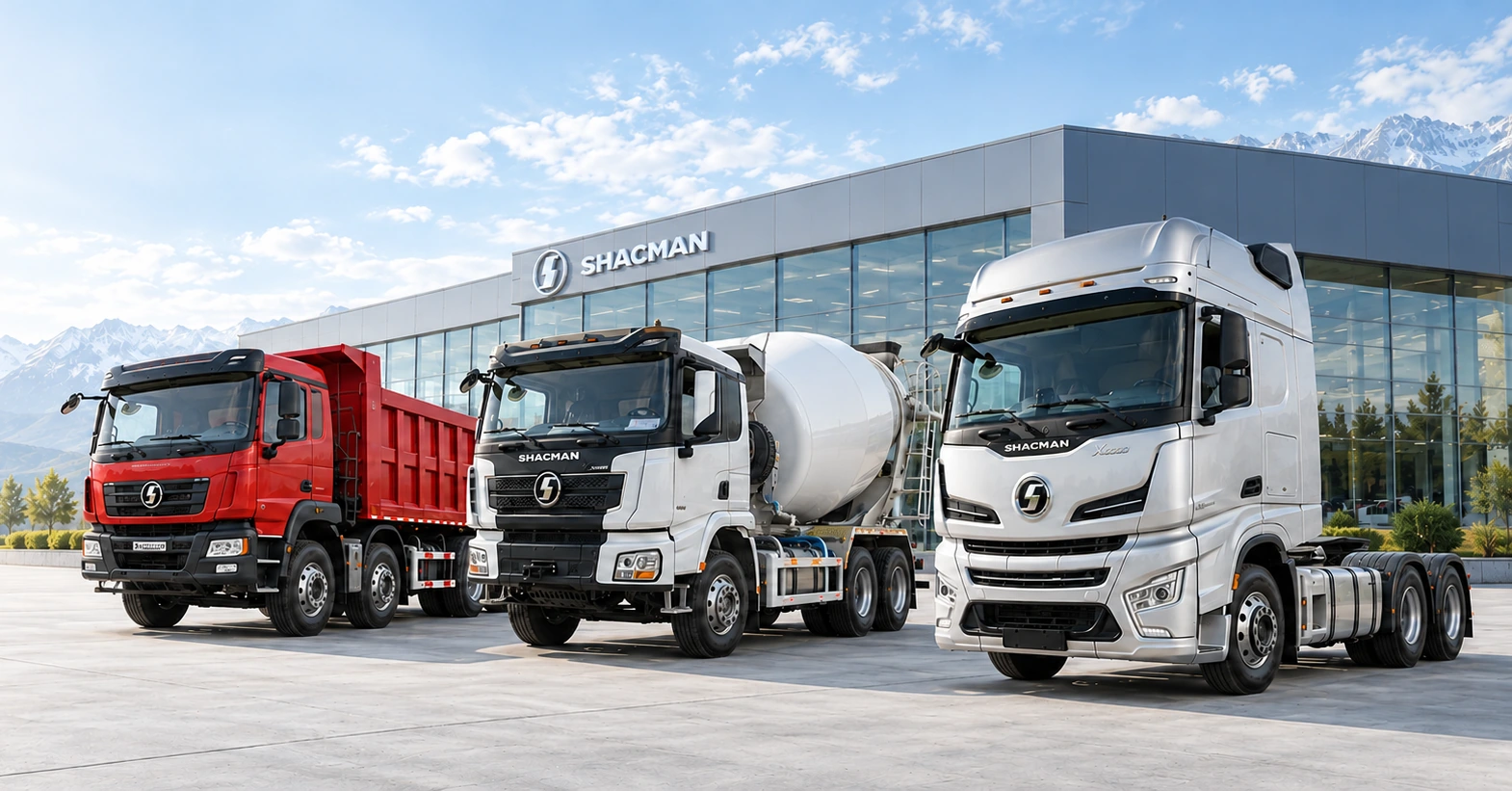
How to choose a SHACMAN tractor for your routes
Choosing a tractor starts with describing the job. The same model name does not necessarily mean the same specification. This checklist helps you prepare an enquiry and obtain an offer you can assess.
1. Describe your routes and working cycle
Explain whether the truck will handle regional routes, international transport or deliveries between a warehouse and a site. Include access-road conditions, trip frequency and whether the vehicle carries a load in both directions.
Separate everyday operating conditions from occasional exceptions. A truck that mainly uses highways and one that enters a construction site every day need different configuration discussions.
- Main departure points and destinations.
- Approximate monthly mileage and trip duration.
- Special conditions such as gradients, unpaved access or frequent stops.
2. Specify the trailer and working load
Your enquiry should include the trailer type and expected cargo weight. If you already own the trailer, attach its main details. If you are selecting a complete combination, say so at the outset: the tractor and trailer need to be considered together.
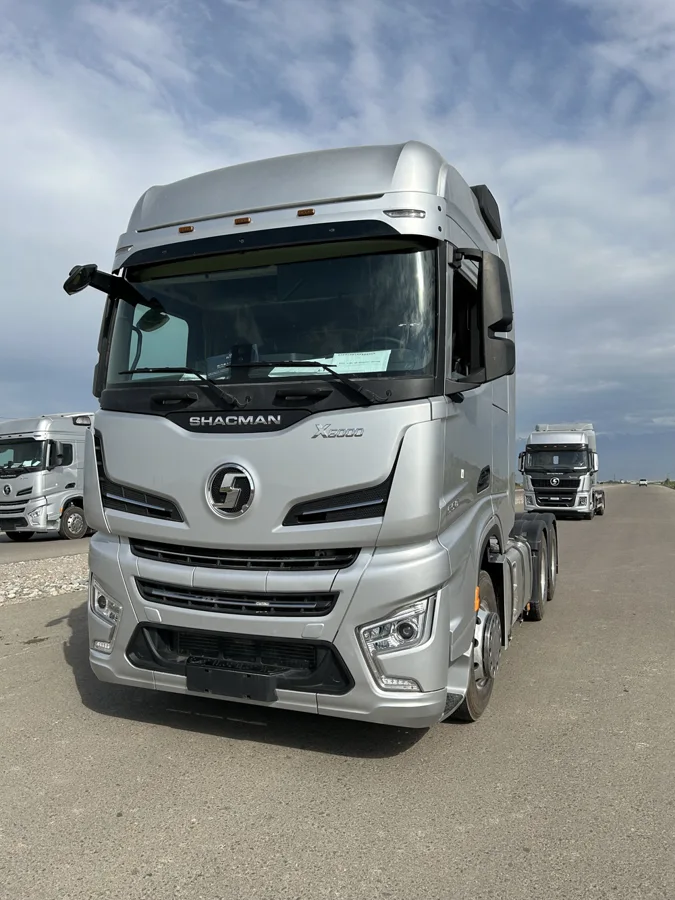
Wheel configuration is one part of the choice. The VALMO GE catalogue includes X5000 4×2 and 6×4 configurations and the X6000 6×4. A suitable option is agreed against operating conditions, route restrictions and the individual specification.
3. Compare what each offer includes
Ask for the exact model, engine, transmission, wheel configuration and cab equipment. Clarify warranty terms, preparation before handover and the service support included. This makes it easier to see what you are comparing.
Do not base the decision on maximum engine power or an initial price alone. You need the complete configuration, service terms and confirmed timing. Check any parameters missing from the model card with the dealer.
4. Prepare an enquiry that can receive a specific answer
State the number of vehicles, preferred purchase timing and whether you want a direct purchase or a financing discussion. If the budget is still open, separate essential requirements from the parameters where you can consider alternatives.